
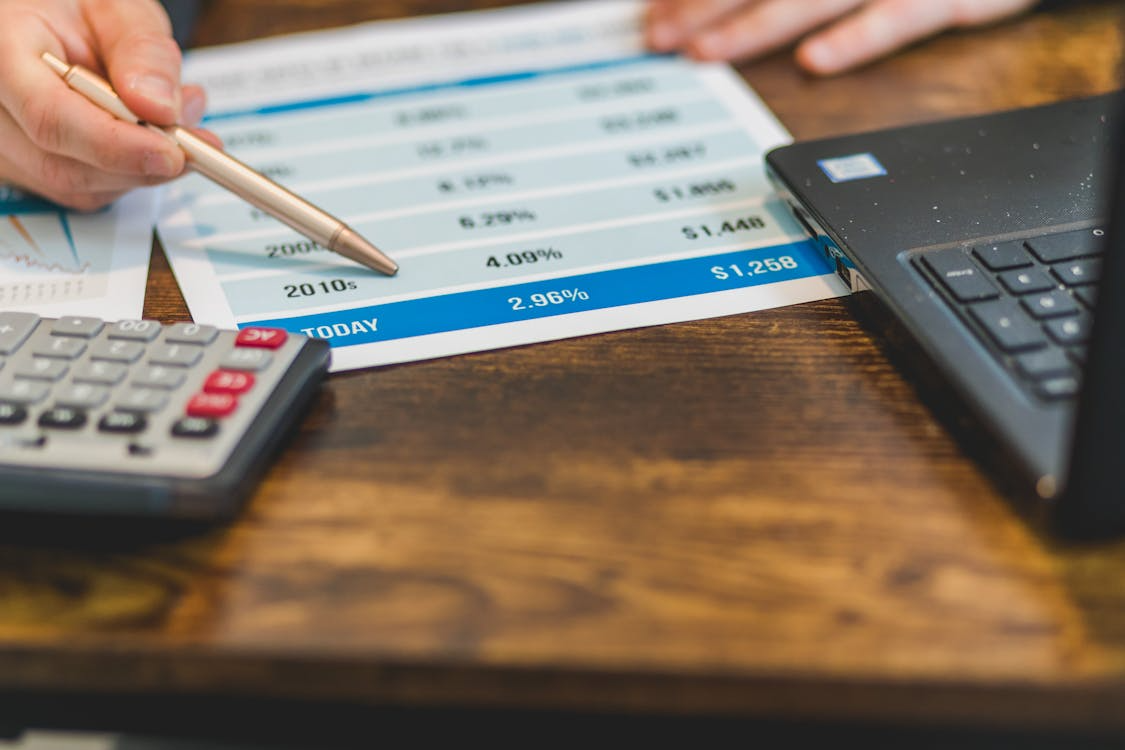
Understanding how rising global interest rates affect everyday life helps explain why central bank policy decisions influence households long after headlines fade.
When interest rates rise around the world, the impact extends far beyond central banks and financial markets. Rate increases ripple through housing, credit, jobs, and consumer behavior, quietly reshaping daily life. These changes often unfold gradually, making their impact easy to underestimate until they are widely felt.
How Higher Rates Affect Borrowing Costs
Interest rates determine the price of borrowing. When rates rise, loans become more expensive across the economy. Mortgages, car loans, student loans, and business credit all carry higher monthly payments.
For households, this can mean delaying home purchases, refinancing less often, or taking on smaller loans. Even modest rate increases can significantly change affordability over the life of a loan.
Businesses face similar constraints. Higher borrowing costs can slow expansion, reduce hiring, or delay investment projects.
Explore How Central Banks Signal Their Next Move Without Saying It for policy cues.
Housing Markets and Affordability Pressure
Housing is one of the most rate-sensitive sectors. Mortgage rates tend to move quickly when central banks tighten policy, directly affecting monthly payments for buyers.
As affordability declines, demand cools. Home prices may stabilize or fall, but this adjustment takes time. Sellers often resist lowering prices immediately, which slows markets.
Renters are not immune. Higher financing costs for landlords can translate into rent increases, especially in tight housing markets.
Read What Happens to Prices When Shipping Routes Change for cost pass-through examples.
Credit Cards, Consumer Debt, and Spending
Variable-rate debt, such as credit cards, responds quickly to interest rate changes. Higher rates increase minimum payments and interest charges, especially for households carrying balances.
As debt servicing costs rise, discretionary spending often falls. Consumers become more cautious, prioritizing essentials over nonessential purchases.
This shift affects retailers and service providers, contributing to a broader economic slowdown.
Employment and Business Decisions
Rising rates influence hiring indirectly. As borrowing becomes more expensive, companies reassess growth plans. Some freeze hiring, reduce overtime, or delay expansion.
Layoffs may follow if demand weakens. These employment effects often lag rate hikes, appearing months after policy changes.
Workers may feel pressure even without job losses, as wage growth slows and bargaining power weakens.
Savings, Returns, and Household Choices
Higher interest rates can benefit savers. Returns on savings accounts, bonds, and fixed-income investments typically improve.
This can encourage saving over spending, reinforcing slower consumption. For households with cash reserves, higher rates offer some relief from inflation erosion.
However, benefits are uneven. Those without savings see little upside while facing higher costs elsewhere.
Global Effects on Prices and Currencies
When major economies raise rates, capital often flows toward higher-yielding markets. This can strengthen some currencies and weaken others.
Weaker currencies raise import prices, contributing to inflation in affected countries. Consumers may face higher costs for fuel, food, and imported goods.
Global rate hikes can therefore intensify cost-of-living pressures in vulnerable economies.
See Currency Crisis 101: How It Starts and What Comes Next to understand currency impacts.
Government Budgets and Public Services
Higher rates increase government borrowing costs. Servicing the national debt becomes more expensive, leaving less room for public spending.
Governments may respond by cutting programs, raising taxes, or borrowing more at a higher cost. These choices affect healthcare, infrastructure, and social services.
The fiscal impact of rising rates can shape political debate and policy priorities.
Why the Effects Feel Slow but Persistent
Interest rate changes work through the economy with delays. Contracts, loans, and budgets adjust gradually, spreading impact over time.
This slow transmission can make policy feel disconnected from daily life at first. Over time, however, cumulative effects become hard to ignore.
Rate hikes are not one-time shocks; they are sustained pressures.
Learn The Real Meaning of Recession (and Why Countries Disagree on It) for economic framing.
What Rising Rates Signal About Economic Priorities
Rising rates usually reflect efforts to control inflation or stabilize financial systems. They signal a shift from growth support to restraint.
For households, this means adapting to tighter conditions. Understanding the impact of rising interest rates makes these pressures easier to recognize and navigate.
Interest rates may seem abstract, but their influence reaches into nearly every financial decision people make.