Understanding what triggers rapid displacement helps explain why refugee flows appear sudden and why they are often difficult to reverse once they begin.
Refugee movements rarely rise gradually. They surge. One month, borders are quiet; the next, tens or hundreds of thousands of people are on the move. These sudden shifts can feel chaotic, but they follow recognizable patterns driven by how conflict, climate, and economic stress intersect.
Conflict as the Immediate Catalyst
Armed conflict remains the most visible driver of refugee surges. When violence escalates quickly, civilians move not because they want to migrate, but because staying becomes immediately dangerous. Airstrikes, ground offensives, or the collapse of local security can empty entire regions in days.
Displacement often spikes after specific turning points rather than at the start of a conflict. The fall of a city, the use of new weapons, or the breakdown of ceasefires can signal to civilians that conditions have crossed a survival threshold.
Once fear replaces uncertainty, movement accelerates. People leave not with long-term plans, but with urgency, creating sudden waves across borders.
Explore Why Borders Flare Up: The Most Common Triggers of Territorial Disputes for insights on conflict escalation.
Climate Stress as a Force Multiplier
Climate-related events increasingly amplify displacement, especially when layered onto existing instability. Droughts reduce food supplies, floods destroy housing, and heat waves strain water and power systems.
On their own, these events do not always cause refugee flows. But when climate stress hits regions already weakened by poverty or weak governance, it can push communities past their coping capacity.
Climate-driven displacement often appears sudden because pressure builds invisibly. Crops fail over seasons, debts accumulate, and when one shock hits, such as a storm, a price spike, or a water shortage, movement begins all at once.
Read Climate Disasters Are Becoming Compound Events: Here’s What That Means for more on overlapping hazards.
Economic Collapse and Survival Migration
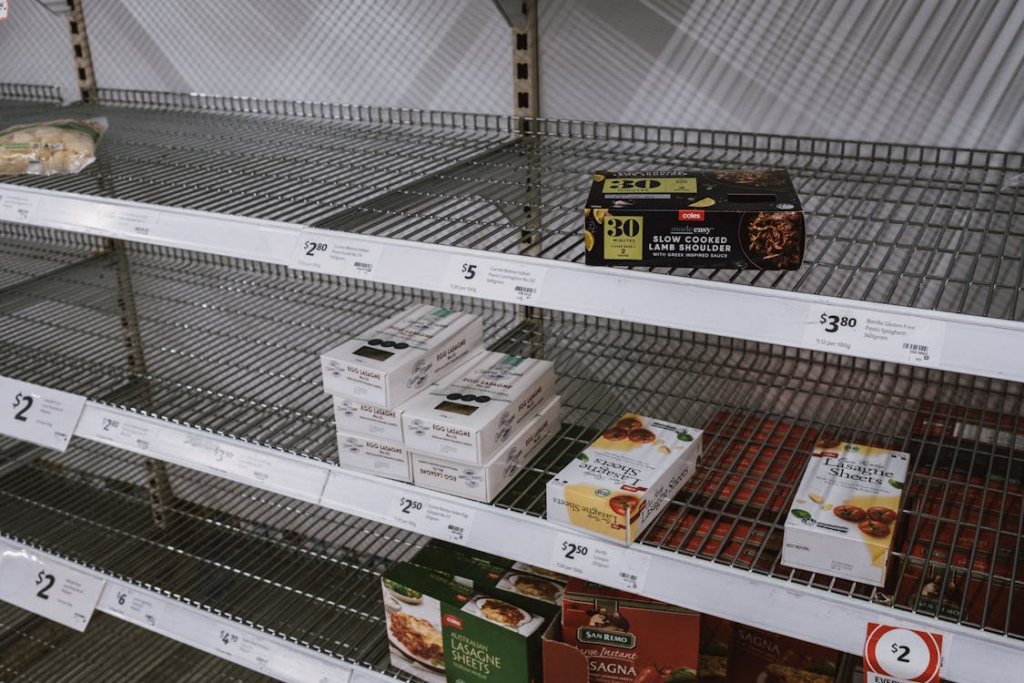
Severe economic breakdown can trigger refugee surges even in the absence of active conflict. Hyperinflation, currency collapse, or the loss of basic imports like fuel and medicine can make daily life untenable.
When wages lose value faster than people can adapt, families begin leaving not for opportunity, but for survival. These movements are often mislabeled as voluntary migration, even though the choice is constrained by necessity.
Economic-driven surges tend to grow quickly once trust in recovery collapses. When people believe conditions will worsen rather than improve, departure becomes urgent.
See The Real Meaning of Recession (and Why Countries Disagree on It) for more on economic collapse.
How Political Decisions Trigger Mass Movement
Government actions themselves can provoke displacement. Sudden policy changes, crackdowns, forced conscription, or the removal of legal protections can cause people to flee preemptively.
Announcements matter. The threat of new laws or enforcement can move populations before those measures are fully implemented. Fear of what is coming can be as powerful as the present danger.
These surges often surprise outside observers because the trigger is administrative rather than violent, but the effect is just as rapid.
Why Refugee Flows Cluster Regionally
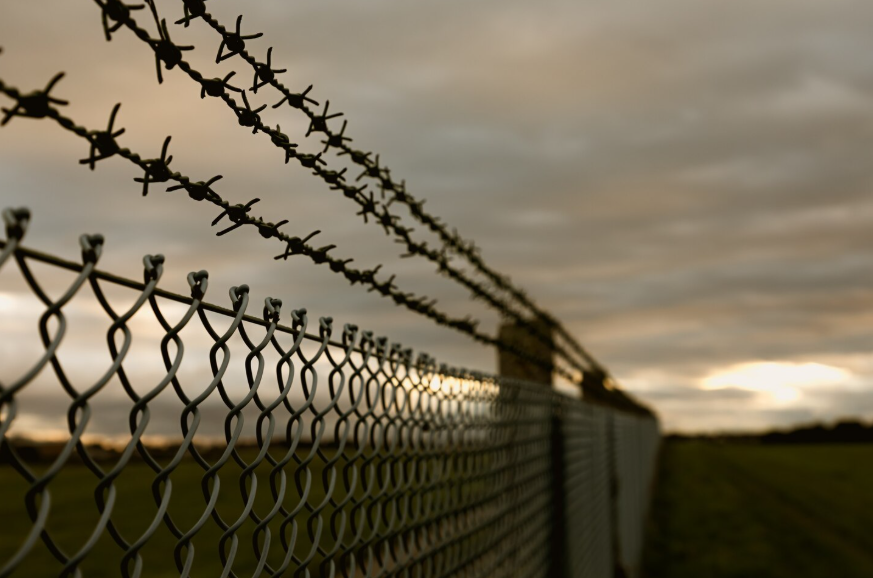
Refugee movements tend to concentrate in neighboring countries. Geography, cost, and familiarity shape where people go first. Borders closest to conflict zones bear the initial impact, often with little preparation time.
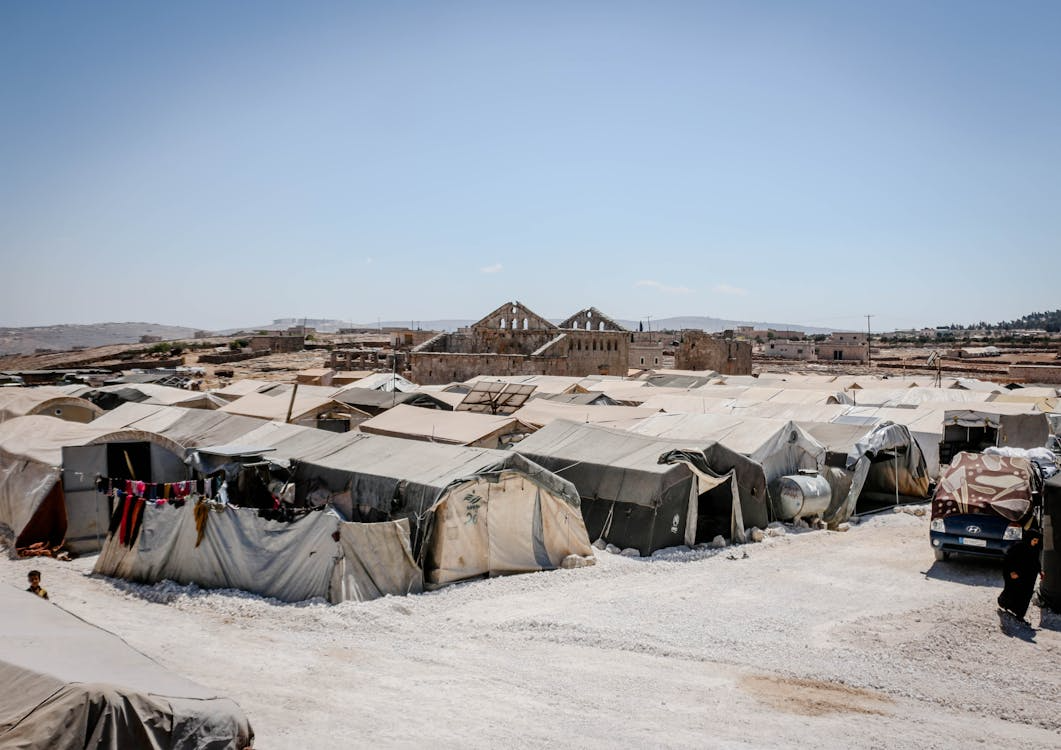
As camps fill and resources strain, secondary movements may follow, spreading displacement farther. This cascading effect makes surges feel unpredictable even when the initial drivers are clear.
Regional capacity often determines whether displacement stabilizes or expands.
How Aid Systems Respond Under Pressure
Humanitarian systems are designed to scale quickly, but sudden surges test their limits. Aid agencies rely on early warning signs, yet funding, logistics, and access constraints slow response.
When multiple crises overlap globally, resources are stretched thin. Delays can worsen conditions in camps and host communities, increasing the likelihood of onward movement.
The speed of displacement often outpaces the speed of assistance, reinforcing the urgency of the crisis.
See Why the Same Global Event Affects Some Countries More Than Others for insights on unequal impact.
What Sudden Surges Reveal About Global Stability
Rapid refugee movements expose fragility. They show where systems failed before violence or collapse became visible. Surges are symptoms, not causes.
They also highlight inequality in resilience. Some societies absorb shocks quietly; others fracture quickly under pressure.
Understanding these drivers makes refugee flows less mysterious and more predictable, even when they remain tragic and disruptive.