Understanding the world’s most important trade agreements and why they matter helps explain how global commerce is structured and why trade tensions can ripple so widely.
Major trade agreements rarely attract attention until something goes wrong. Yet these frameworks quietly shape prices, supply chains, jobs, and geopolitical relationships every day. They determine which goods move freely, which face barriers, and how disputes are resolved when interests collide.
What Trade Agreements Are Designed to Do
At their core, trade agreements set rules for economic exchange between countries. They reduce tariffs, establish standards, and create predictable conditions for businesses operating across borders.
By lowering barriers, agreements aim to increase trade volume and efficiency. They also provide legal mechanisms for resolving disputes, reducing the risk that economic conflict will turn political.
Agreements are not just about trade. They are tools of economic strategy and diplomatic alignment.
Read How Global Supply Chains Break and How They Recover for insights on disruption patterns.
How Major Agreements Shape Global Trade
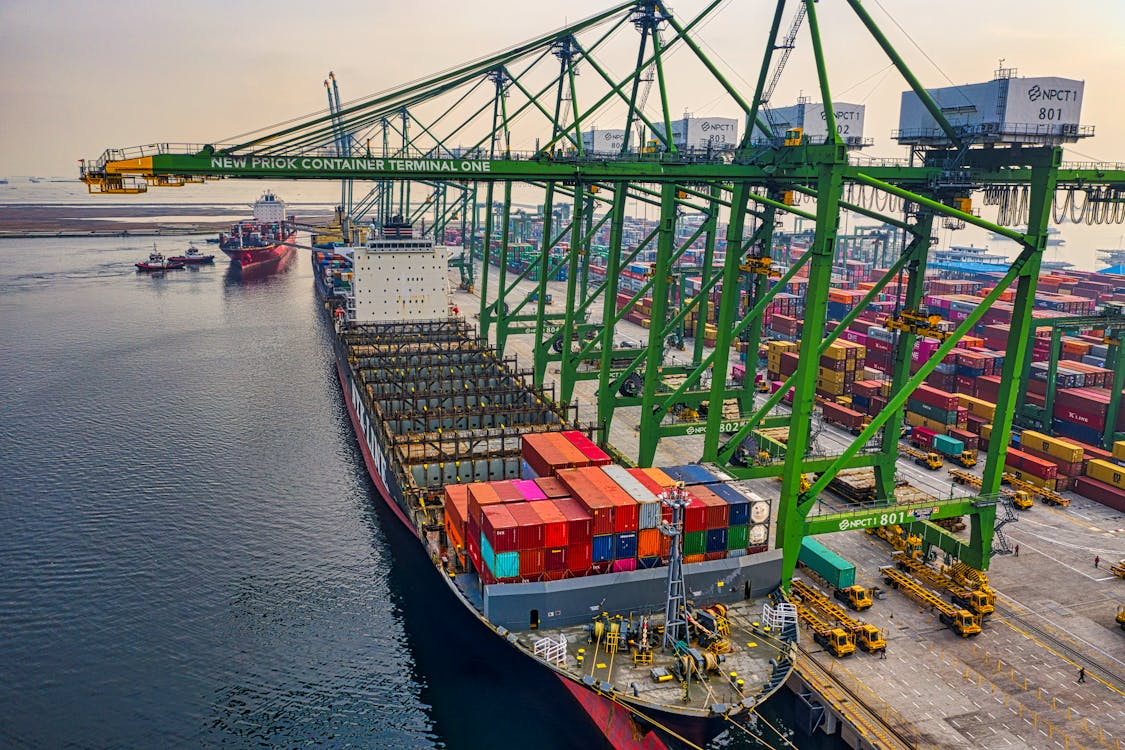
Large agreements link multiple economies into shared frameworks. These arrangements affect trillions of dollars in goods and services.
By harmonizing rules, companies can simplify cross-border operations. Supply chains stretch across member countries, optimizing production and distribution.
This integration increases efficiency but also interdependence, making disruptions within one member more consequential for others.
Why Trade Agreements Affect Prices and Consumers
Agreements influence consumer prices by shaping costs. Lower tariffs reduce import prices. Common standards lower producers’ compliance costs.
Consumers often benefit through lower prices and greater variety. However, these benefits are uneven. Some industries gain while others face increased competition.
Agreements quietly influence what ends up on store shelves and how much it costs.
Explore What Happens to Prices When Shipping Routes Change for a deeper dive on price transmission.
The Role of Trade Agreements in Supply Chains
Modern supply chains rely on predictable trade rules. Agreements reduce uncertainty, allowing companies to invest in cross-border production.
Rules of origin determine where goods are considered to be produced, affecting eligibility for tariff benefits. These rules shape how supply chains are designed.
When agreements change or collapse, supply chains must adapt, often at high cost.
Why Trade Agreements Are Politically Sensitive
Agreements redistribute economic opportunity. Industries exposed to foreign competition may lose jobs, while export-oriented sectors gain.
This redistribution fuels political debate. Critics argue that agreements undermine domestic industries or labor standards. Supporters emphasize growth and consumer benefits.
Because trade touches employment and sovereignty, agreements often become focal points for broader political tensions.
Dispute Resolution and Power Balance
Most major agreements include dispute resolution mechanisms. These allow countries to challenge violations without resorting to retaliation.
The effectiveness of these systems depends on trust and enforcement. Larger economies often have more leverage, shaping outcomes indirectly.
Dispute mechanisms help stabilize trade relationships, even when disagreements arise.
See Understanding Sanctions: Who They Hurt First (and Who They Don’t) for trade pressure context.
How Trade Agreements Shape Geopolitics
Agreements signal alignment. Joining or leaving an agreement sends a message about political priorities and alliances.
Economic integration can deepen diplomatic ties, while exclusion can isolate countries. Trade frameworks often reinforce regional influence.
In this way, these agreements are tools of soft power as much as they are of economic policy.
Why Some Agreements Matter More Than Others
Agreements matter based on scale, scope, and enforcement. Broad agreements covering large economies have a global impact.
Narrow agreements may matter deeply to specific sectors or regions. Both shape global behavior.
What matters is not the number of agreements, but which economies and rules they connect.
Check Why the Same Global Event Affects Some Countries More Than Others to understand uneven impact.
What Trade Agreements Reveal About Global Order
Trade agreements reflect how countries choose cooperation over conflict or vice versa. They show which rules are shared and which are contested.
As global conditions change, agreements evolve or fragment. These shifts reveal changing power dynamics.
Understanding these agreements makes global economic news easier to interpret and less abstract.