
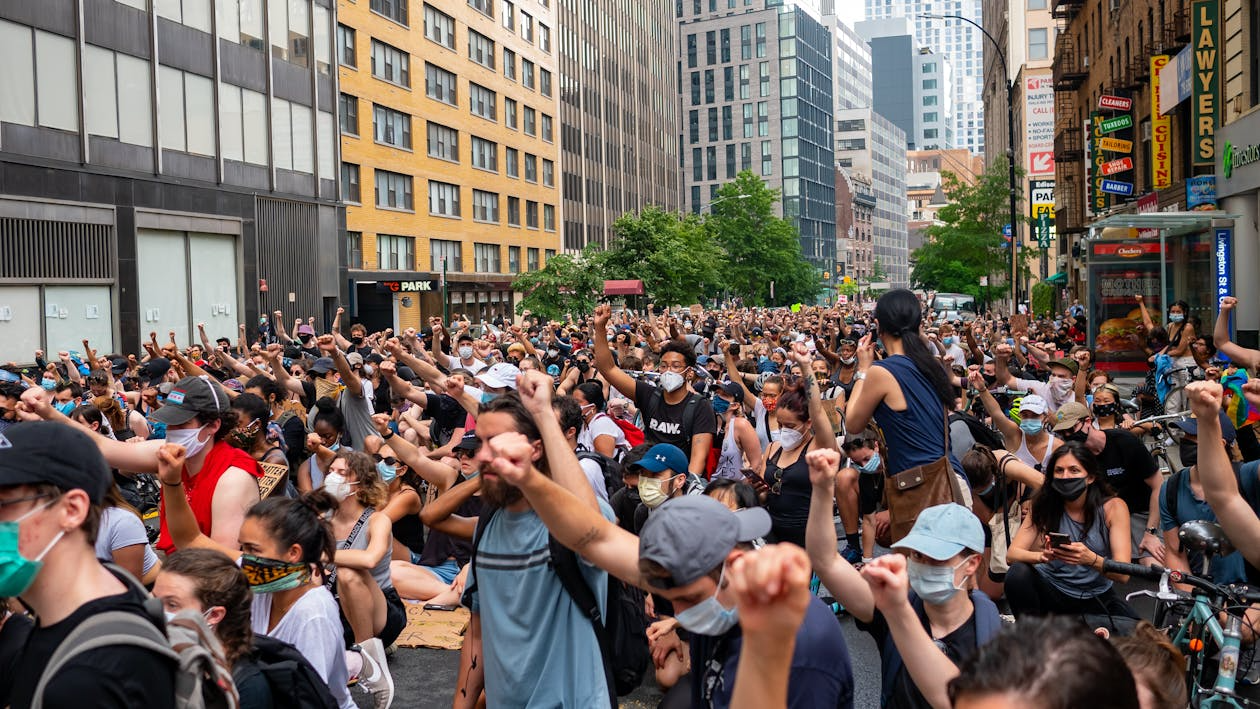
Understanding how strikes and protests change national economies helps explain why some movements fade quickly while others reshape policy, markets, and public expectations.
Strikes and mass protests are often framed as political or labor disputes, but their effects extend far beyond the streets. When large numbers of people withdraw from the labor force or disrupt normal activity, economic systems respond quickly. These responses can be temporary shocks or long-lasting structural changes, depending on scale, duration, and government reaction.
How Labor Disruptions Affect Output Immediately
Strikes directly reduce economic output by halting production and services. Factories close, transport slows, and public services pause. The immediate effect is measurable: fewer goods produced, fewer services delivered, and lower short-term growth.
The impact varies by sector. Strikes in transportation, energy, or public services have outsized effects because they simultaneously disrupt other industries. Even brief stoppages can cascade through supply chains, amplifying losses.
These immediate effects are why governments often seek a rapid resolution, especially when critical infrastructure is involved.
See What Happens to Prices When Shipping Routes Change for supply-side ripple effects.
Protests and Consumer Behavior Shifts
Large protests influence consumer behavior even when they do not directly stop work. Uncertainty reduces spending as households delay purchases and businesses pause investment.
Tourism is especially sensitive. Protests deter visitors, cancel events, and reduce hospitality revenue. Retail activity often declines in affected areas due to safety concerns or restricted access.
These behavioral changes can outlast the protests themselves, especially if instability becomes associated with a country’s image.
Explore Food Price Shocks: Why the Cost of Staples Jumps Suddenly for context on demand pressure.
Investor Confidence and Capital Flows
Markets react quickly to visible unrest. Strikes and protests signal political risk, prompting investors to reassess exposure. Capital may pause, relocate, or demand higher returns to compensate for uncertainty.
Bond yields can rise, currencies may weaken, and stock markets often show increased volatility. Even peaceful protests can trigger market reactions if they suggest policy reversal or prolonged instability.
Confidence effects can exceed direct economic losses, especially in countries reliant on foreign investment.
Government Response and Fiscal Impact
Government reactions shape economic outcomes. Concessions such as wage increases, subsidies, or policy reversals can raise public spending.
While these measures may restore stability, they also affect budgets and inflation. Governments may borrow more, cut spending elsewhere, or raise taxes to compensate.
How governments respond determines whether protests lead to reform or fiscal strain.
Read How Central Banks Signal Their Next Move Without Saying It to understand policy signals.
Long-Term Structural Changes
Some strikes and protests produce lasting economic change. Labor protections, minimum wages, pension systems, or working conditions may be permanently altered.
These reforms can raise costs for businesses but also increase income stability and consumption over time. The long-term effect depends on productivity gains and the quality of implementation.
Structural change explains why some protest movements reshape economies rather than merely interrupt them.
Sector-Specific Winners and Losers
Economic effects are uneven. Certain sectors suffer losses, while others may benefit. Domestic producers may gain if imports slow. Informal economies often expand during disruption.
Technology and remote services sometimes see increased demand as alternatives to disrupted systems. These shifts can persist after unrest subsides.
Strikes and protests redistribute economic activity rather than uniformly reducing it.
The Role of Duration and Scale
Short, localized protests usually have a limited economic impact. Prolonged, nationwide protests and movements change expectations and planning.
Duration matters more than intensity. Sustained uncertainty alters investment decisions, labor markets, and policy trajectories.
Scale determines whether disruption remains manageable or becomes systemic.
Why Some Economies Absorb Protests Better Than Others
Institutional strength matters. Countries with strong social dialogue, legal frameworks, and trust resolve disputes faster.
Fragile systems struggle, allowing economic effects to compound. Weak governance turns protest into prolonged instability.
The same protest can have vastly different outcomes depending on institutional resilience.
Learn Why the Same Global Event Affects Some Countries More Than Others for insights on resilience gaps.
What Strikes and Protests Reveal About Economic Pressure
Strikes and protests are symptoms of underlying economic strain. They surface when existing systems fail to distribute growth, security, or opportunity.
Their economic impact reflects not just disruption but also an unresolved imbalance.
Understanding these dynamics helps explain why unrest matters economically, even after crowds disperse.