The global response to recent pandemics exposed strengths, failures, and deep inequalities in preparedness. In the aftermath, governments pledged reform, investment, and vigilance. Yet preparedness is not a single upgrade; it is a collection of systems that evolve unevenly. Some lessons were absorbed quickly, while others remain unresolved.
Understanding pandemic preparedness changes, what actually changed, and what did not, helps clarify how ready the world truly is for the next pandemic.
What Improved After Recent Pandemics
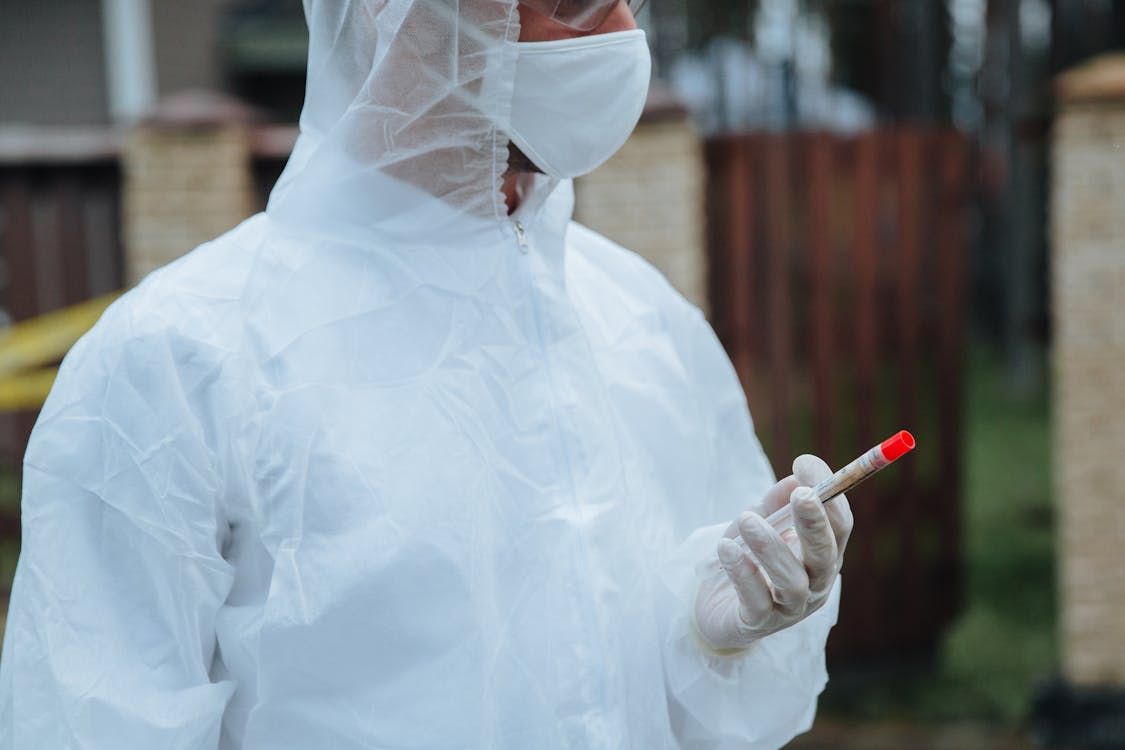
Surveillance systems have improved in many regions. Genomic sequencing capacity expanded, allowing faster identification of new variants. Data sharing between research institutions became more routine, accelerating scientific response.
Vaccine development timelines have also shortened dramatically. Platforms that proved effective are now established, making rapid design and testing more feasible.
Public awareness of infectious disease risk increased, improving early behavioral response in some societies.
Explore Why Antibiotic Resistance Is a Slow-Motion Global Emergency for parallel long-term risk.
Where Preparedness Still Falls Short
Despite progress, global preparedness remains uneven. Many countries lack sustained funding for surveillance, laboratory capacity, and support for the healthcare workforce.
Preparedness often spikes during crises and fades afterward. Stockpiles degrade, training lapses occur, and institutional memory weakens over time.
Without consistent investment, gains achieved during emergencies erode quickly.
Supply Chains and Medical Logistics
Medical supply chains were found to be fragile. Shortages of protective equipment, testing materials, and critical medicines revealed dependence on limited suppliers.
Some diversification occurred, but many systems still rely on just-in-time logistics. Stockpiling remains politically and economically unpopular outside emergencies.
Logistics reform has lagged behind scientific advancement.
Public Health vs Political Pressure
Public health decisions remain tightly bound to political realities. Travel restrictions, lockdowns, and mandates often faced resistance regardless of evidence.
This tension did not disappear. Preparedness plans now acknowledge political feasibility, sometimes at the expense of optimal response.
Trust, communication, and governance remain as critical as technology.
See How Countries Declare States of Emergency and What Changes Overnight for emergency governance shifts.
International Coordination Challenges
Global coordination improved in some areas, such as data sharing, but competition also intensified. Vaccine nationalism and uneven access exposed persistent inequality.
Mechanisms for equitable distribution exist on paper, but enforcement remains weak. National interest often overrides collective preparedness.
This imbalance limits global effectiveness against fast-spreading threats.
Check How Strikes and Protests Change National Economies for disruption-driven economic strain.
Healthcare System Capacity
Healthcare systems expanded surge capacity in theory, but staffing shortages persist. Burnout reduces workforce resilience.
Infrastructure upgrades occurred unevenly, with wealthier countries advancing faster. Many systems still operate near capacity even during regular periods.
Preparedness requires sustained workforce investment, not just emergency plans.
Early Warning vs Early Action
Detection is only part of preparedness. Acting early remains politically difficult.
Governments hesitate to impose pandemic measures before impacts are visible, even when warnings are clear. This delay remains a core vulnerability.
Preparedness fails when early signals are ignored.
What Did Not Fundamentally Change
Underlying social inequality, misinformation dynamics, and fragmented governance structures remain essentially unchanged.
Pandemics exploit these weaknesses. Without addressing them, technical advances alone cannot prevent disruption.
Preparedness remains as much social as scientific.
Read The Next Big Global Tech Disruption Might Be Batteries, Not AI for systemic risk shifts.
What the Next Era Likely Looks Like
Future preparedness will be uneven, reactive, and shaped by recent memory. Rapid scientific response will coexist with delayed political action.
Outcomes will depend less on tools and more on coordination, trust, and willingness to act early.
The next pandemic will test not just systems, but lessons learned.