Understanding heat wave power grid failures and how heat affects power and connectivity helps explain why outages often occur during the hottest periods and why recovery can be uneven.
Heat waves are often discussed in terms of health risks and discomfort, but their impact on modern infrastructure is equally significant. Extreme heat places simultaneous stress on power grids and internet systems, exposing vulnerabilities that are easy to overlook until failures cascade.
As heat waves become more frequent and intense, these stresses are becoming systemic rather than exceptional.
Why Heat Waves Strain Power Grids
Power grids are susceptible to temperature. As heat rises, electricity demand surges due to air conditioning and cooling needs. This demand often peaks during late afternoon and early evening, precisely when systems are already under stress.
At the same time, high temperatures reduce the efficiency of power generation and transmission. Power plants, especially thermal plants, become less efficient when the cooling water is warm. Transmission lines sag in heat, reducing the amount of electricity they can safely carry.
The combination of rising demand and reduced capacity creates a narrow margin for failure.
Check out Climate Disasters Are Becoming Compound Events: Here’s What That Means for cascading risk context.
Equipment Limits and Thermal Stress
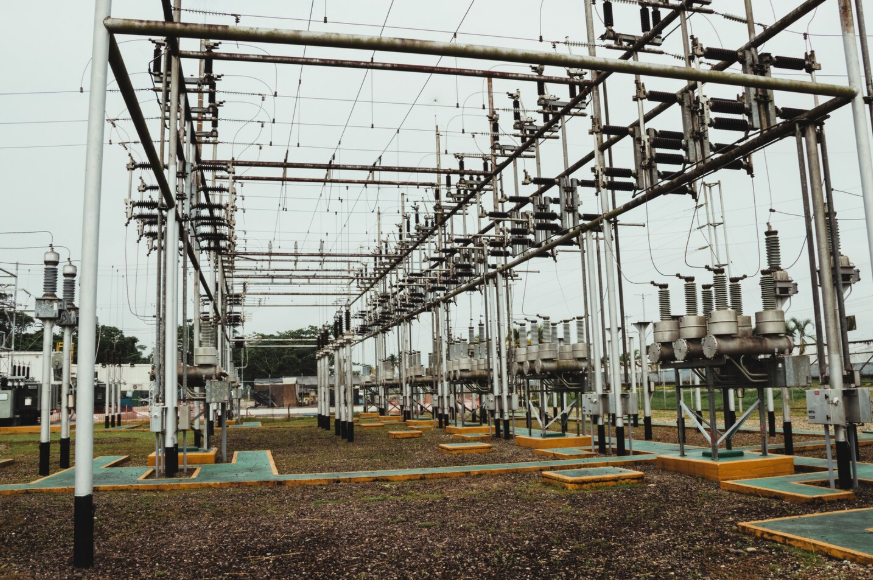
Grid equipment has operating temperature limits. Transformers, substations, and switching equipment can overheat when ambient temperatures remain high for extended periods.
Once equipment overheats, utilities may shut it down deliberately to prevent permanent damage. These protective shutdowns appear to consumers as outages, even though they are intended to avoid larger failures.
Repeated heat stress also accelerates equipment aging, increasing the likelihood of future breakdowns even during moderate conditions.
Rolling Blackouts and Load Shedding
When demand exceeds supply, utilities may implement rolling blackouts or load shedding. These controlled outages spread disruption across regions to prevent total grid collapse.
While disruptive, rolling outages are preferable to uncontrolled failures that can take days or weeks to repair. However, they still affect businesses, healthcare facilities, and households unevenly.
The need for load shedding highlights how close grids often operate to their limits during extreme heat.
How Heat Affects Internet Infrastructure
Internet infrastructure depends on electricity, but heat introduces additional challenges. Data centers generate significant heat and rely on cooling systems to function. During heat waves, cooling demand spikes while power reliability declines.
Network equipment housed in outdoor cabinets or poorly ventilated spaces is especially vulnerable. Overheating can degrade performance or trigger shutdowns.
Even when power remains stable, heat can slow or disrupt connectivity.
Explore Green Energy Transition: The Minerals Nobody Talks About for energy system dependencies.
Cascading Failures Between Power and Connectivity
Power and internet systems are interdependent. Power outages knock out network equipment. Network disruptions complicate grid management and emergency response.
In extreme cases, cascading failures occur. A power outage disrupts communications needed to coordinate repairs, slowing restoration and prolonging the disruption.
These interdependencies make heat waves particularly challenging to manage.
Read Why the Same Global Event Affects Some Countries More Than Others for uneven impact patterns.
Why Urban Areas Are More Vulnerable
Cities experience higher temperatures due to the urban heat island effect. Dense infrastructure, asphalt, and limited green space amplify heat.
Urban grids are heavily loaded, and internet usage is concentrated. This increases stress during heat waves.
Older infrastructure in some cities compounds vulnerability, as it was not designed for sustained extreme temperatures.
How Utilities and Providers Adapt
Utilities and internet providers are adapting through upgrades and planning. Grid operators invest in monitoring, demand forecasting, and redundancy. Data centers deploy more efficient cooling and backup power systems.
Some regions diversify energy sources to reduce reliance on heat-sensitive generation. Others adjust pricing or issue conservation alerts during peak heat.
Adaptation improves resilience but requires significant investment.
Why Outages Can Last Longer After Heat Waves
Heat-related failures often reveal hidden damage. Equipment may fail days after peak temperatures due to cumulative stress.
Repair crews also work under dangerous conditions, slowing response. Replacement parts may be limited during widespread events affecting multiple regions simultaneously.
This explains why outages sometimes persist even after temperatures fall.
Learn from What Happens to Prices When Shipping Routes Change to understand ripple effects.
What Heat Waves Reveal About Infrastructure Limits
Heat waves act as stress tests for modern infrastructure. They reveal how tightly systems are optimized and how little margin exists under extreme conditions.
As heat events become more common, these stresses will shape planning, investment, and policy decisions.
Understanding these dynamics makes outages during heat waves feel less mysterious and more predictable.