
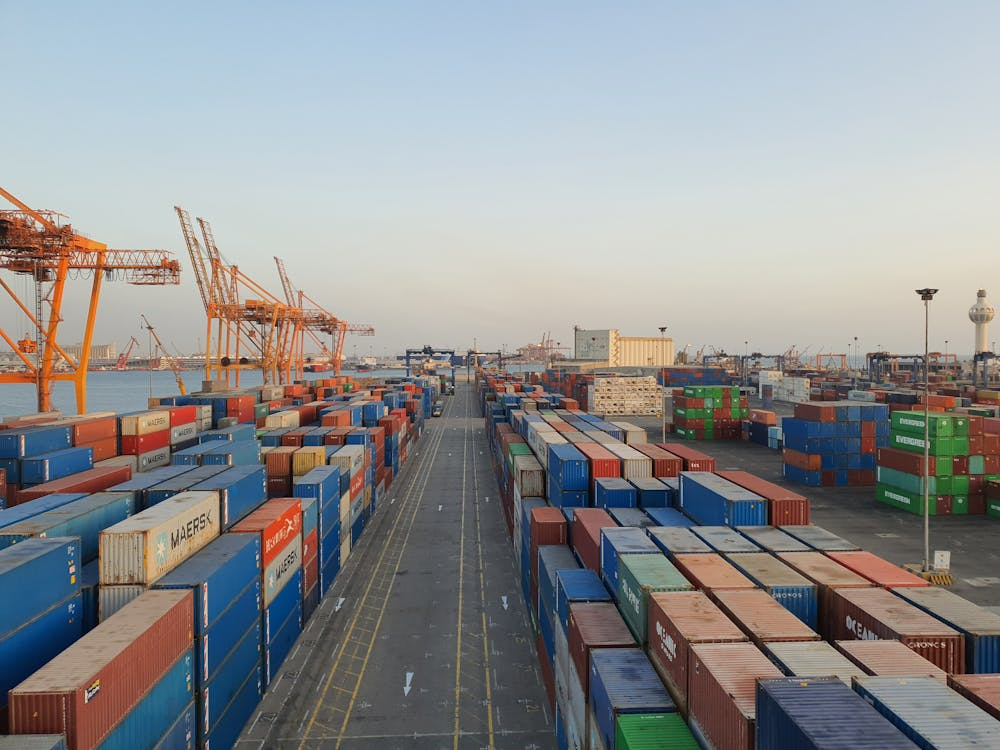
Global supply chains are designed for efficiency, not resilience. They work best when conditions are stable and predictable. When shocks occur, those same efficiencies become vulnerabilities, causing disruptions to ripple across countries, industries, and everyday life. What appears to be a sudden breakdown is usually the result of stress accumulating across tightly linked systems.
Understanding global supply chain disruptions—how they break and how they recover—makes it easier to interpret shortages, delays, and price spikes when global events disrupt expected flows.
Where Supply Chains Are Most Vulnerable
Supply chains often fail at chokepoints. These include major ports, canals, border crossings, and key manufacturing hubs where delays can cascade outward. When a single node is overloaded or blocked, everything downstream is affected.
Another vulnerability lies in concentration. Many industries rely on a small number of factories or regions for critical components. This specialization reduces costs but increases risk. When one facility shuts down, there may be no immediate substitute.
Just-in-time production amplifies these weaknesses. Minimal inventory leaves little buffer when disruptions occur.
See Climate Disasters Are Becoming Compound Events for deeper context on cascading shocks.
Common Triggers That Cause Breakdown
A mix of events triggers supply chain breakdowns. Natural disasters can shut down ports or factories. Conflicts can restrict shipping lanes or impose trade barriers. Pandemics can simultaneously disrupt labor, transport, and demand.
Policy decisions also matter. Export bans, sanctions, or sudden regulatory changes can sever supply links overnight. Even well-intentioned measures can have unintended global effects.
Often, breakdowns are caused by multiple triggers overlapping rather than a single event.
How Disruptions Spread Across Industries
Once a disruption begins, its effects spread unevenly. Industries dependent on specialized inputs feel the impacts first. Manufacturing slows, then retail shortages appear weeks or months later.
Because supply chains are interconnected, a disruption in one sector can affect others. A shortage of semiconductors, for example, can simultaneously stall automotive production, consumer electronics, and industrial equipment.
This lag between cause and effect makes disruptions feel confusing and complicated to trace.
Explore The Global Race for Chips: Why Semiconductors Are Geopolitical for a clear example of ripple effects.
Why Recovery Is Slower Than Breakdown
Breaking a supply chain is fast; rebuilding it is slow. Restarting factories requires labor, raw materials, and coordination. Shipping routes must be cleared, contracts renegotiated, and inventories replenished.
Recovery is also uneven. Large companies with diversified suppliers rebound faster than smaller firms with limited options. Regions with strong infrastructure and governance recover sooner than those facing instability.
Even after physical flows resume, prices and availability may take longer to normalize.
The Role of Shipping and Logistics in Recovery
Shipping is central to recovery. Restoring container availability, port operations, and transit schedules determines how quickly goods move again.
Bottlenecks often persist even after the initial disruption ends. Congestion, labor shortages, or equipment imbalances can prolong delays.
Logistics recovery requires coordination across borders, making it sensitive to diplomatic and regulatory conditions.
See The World’s Most Important Trade Agreements (and Why They Matter) for how rules shape global flow.
How Companies Adapt After Disruption
After major breakdowns, companies reassess risk. Some diversify suppliers across regions. Others increase inventory or invest in domestic production to reduce exposure.
These adaptations improve resilience but often raise costs. Consumers may see higher prices as efficiency is traded for stability.
Supply chains rarely return to their previous form. Each disruption leaves structural changes behind.
What Governments Do During Supply Chain Crises
Governments intervene to stabilize critical supplies. This can include releasing reserves, subsidizing transport, or prioritizing essential goods.
Policy coordination matters. Unilateral actions can worsen global shortages, while cooperative measures can speed recovery.
Supply chain crises often prompt long-term policy shifts aimed at strategic independence or redundancy.
Why Supply Chains Never Fully “Go Back”
Once disrupted, supply chains adapt rather than reset. New routes, suppliers, and practices emerge. Some efficiencies are lost permanently, replaced by safeguards.
These changes reflect lessons learned under stress. Recovery is not about restoring the old system, but building a modified one that can better withstand future shocks.
Check Global Refugee Movements: What Drives Sudden Surges on how shocks reshape movement patterns.
What Supply Chain Breakdowns Reveal
Supply chain disruptions reveal how interconnected the global economy has become. They show how distant events shape local availability and cost.
They also highlight trade-offs between efficiency and resilience. Understanding these dynamics helps explain why recovery takes time and why disruptions leave lasting marks.