Understanding what compound climate events are helps explain why recent disasters feel more destructive, harder to manage, and slower to recover from.
Climate disasters are no longer isolated events. Increasingly, they arrive in clusters, where one crisis triggers or intensifies another. These are known as compound events: situations in which multiple hazards overlap, interact, or occur in sequence, creating impacts far greater than any single disaster alone.
What Makes a Climate Event “Compound”
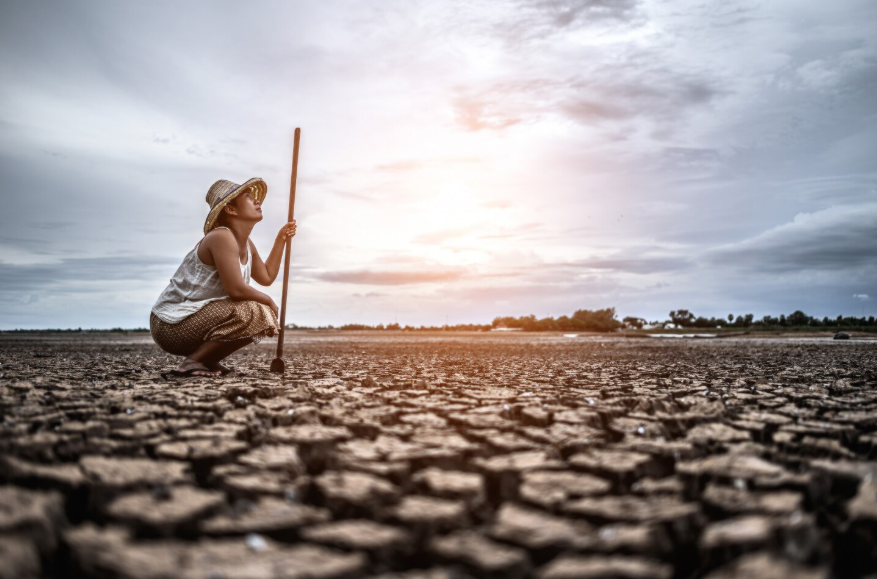
A compound event occurs when two or more climate-related hazards combine to amplify damage. This can mean simultaneous events, such as heat waves during droughts, or sequential events, such as storms following wildfires.
The key factor is interaction. Each event worsens the effects of the others. Flooding after a wildfire causes severe erosion. Heat waves during power shortages increase mortality. Drought followed by extreme rain overwhelms dry, hardened soil.
These combinations push systems beyond design limits.
Explore What ‘Attribution Science’ Means After a Major Weather Event for the climate causation context.
Why Compound Events Are Increasing
According to the Intergovernmental Panel on Climate Change, climate change is increasing the likelihood of multiple hazards occurring together.
Rising global temperatures increase baseline stress on natural and human systems. Heat intensifies evaporation, dries vegetation, and increases atmospheric moisture, conditions that raise the likelihood of multiple hazards occurring close together.
Climate change also alters timing. Seasons blur, storms intensify, and recovery windows shrink. Systems have less time to reset before the next shock arrives. What once were rare overlaps are becoming more frequent patterns.
How Infrastructure Fails Under Compounding Stress
Infrastructure is typically designed for single hazards. Power grids are built to handle heat or storms, not both in rapid succession. Water systems assume predictable rainfall, not alternating extremes.
When hazards stack, infrastructure fails faster and more completely. Flooding knocks out the power needed for cooling. Heat strains grids already weakened by storms. Transportation systems collapse when damage accumulates across networks.
Compound stress exposes hidden vulnerabilities.
Read How Heat Waves Affect Power Grids and Internet Infrastructure for more on infrastructure vulnerability.
Human and Economic Costs Multiply
The human toll of compound events is often higher because coping mechanisms are exhausted. Emergency services stretched by one disaster struggle to respond to the next.
Economic recovery slows as damage compounds. Businesses reopen only to shut again. Insurance claims stack, straining coverage systems and delaying payouts.
These cascading effects explain why recovery feels incomplete long after headlines move on.
See Food Price Shocks: Why the Cost of Staples Jumps Suddenly for cost ripple effects.
Examples of Common Compound Patterns
Some compound patterns are becoming more common. Heat plus drought fuels wildfires, which then worsen the flooding risk. Storm surge combined with heavy rainfall overwhelms coastal defenses. Cold snaps following storms strain energy systems.
These patterns are not random. They reflect how warming alters atmospheric and ecological dynamics.
Recognizing patterns helps anticipate future risk.
Why Traditional Disaster Planning Falls Short
Disaster planning often treats hazards independently. Response plans assume linear recovery: one event, then rebuilding.
Compound events break this model. Recovery overlaps with response. Resources are diverted repeatedly. Planning assumptions fail under cumulative strain.
Adapting requires integrated risk assessment rather than single-hazard planning.
How Communities Adapt to Compound Risk
Some regions are adjusting by building redundancy. Microgrids reduce power vulnerability. Nature-based solutions absorb floodwater and reduce heat.
Early warning systems increasingly account for cascading risk rather than isolated thresholds. Planning shifts from prevention to resilience.
Adaptation focuses on absorbing shocks rather than avoiding them entirely.
Why Compound Events Change Insurance and Policy
Insurance models struggle with compound risk because losses are correlated rather than independent. Multiple claims in quick succession strain systems.
Policymakers face similar challenges. Budgeting for one disaster no longer covers reality. Emergency funding becomes routine rather than exceptional.
Compound events force rethinking of risk distribution and responsibility.
Check out What Rising Global Interest Rates Do to Everyday Life for the household impact context.
What Compound Events Signal About the Future
Compound climate events signal a shift from episodic crisis to persistent stress. Disasters become processes rather than moments.
This does not mean catastrophe is inevitable, but it does mean planning must change. Systems built for stability must adapt to volatility.
Understanding compound events helps explain why climate impacts now feel heavier, faster, and harder to escape.