
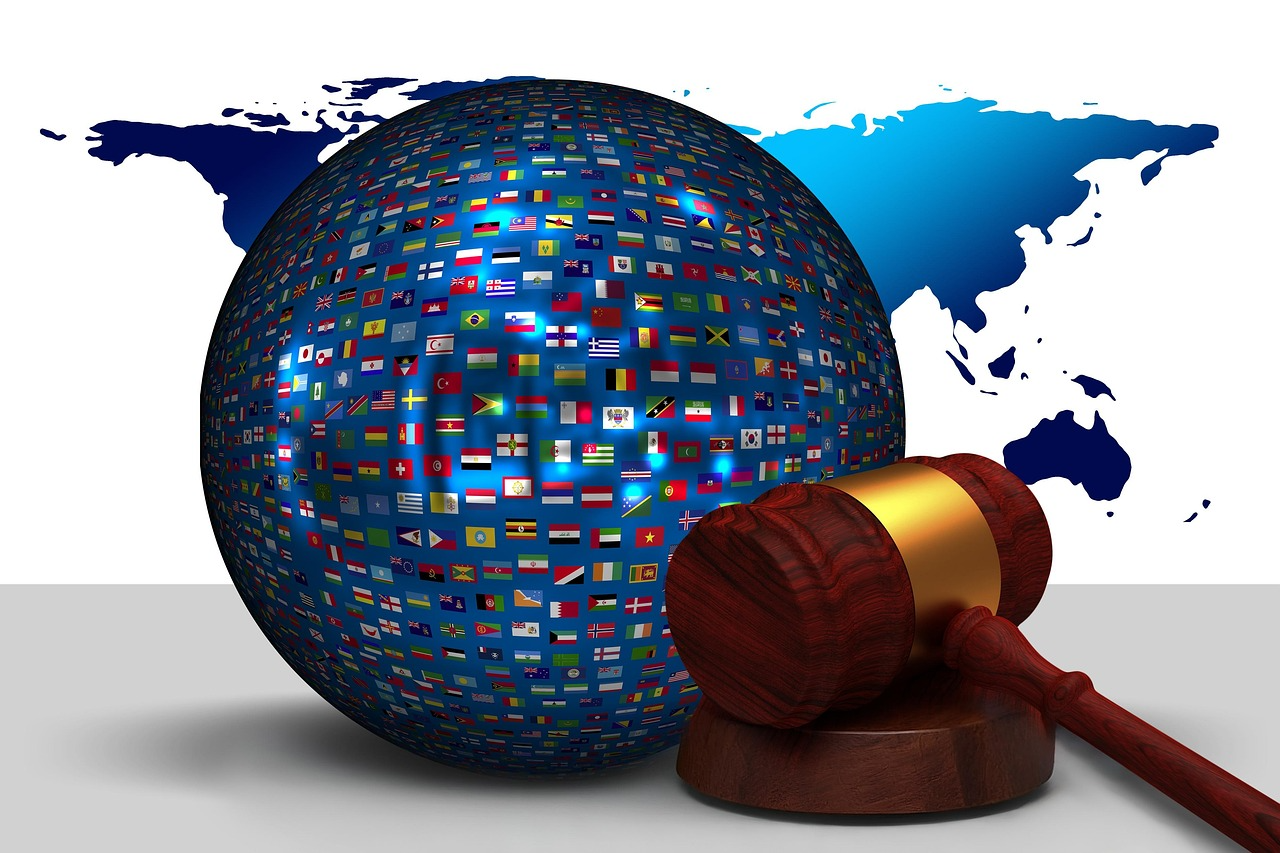
Understanding global AI regulation by country helps explain why AI development looks fragmented rather than unified.
Artificial intelligence is advancing faster than the laws meant to govern it. Around the world, governments are taking sharply different approaches to AI regulation, shaped by economic priorities, political culture, and perceived risk. Some focus on strict controls, others on voluntary guidelines, and many are still experimenting.
Why Governments Feel Pressure to Regulate AI
AI systems now affect hiring, credit, healthcare, policing, media, and national security. As these systems scale, so do concerns about bias, safety, misinformation, and loss of control.
Governments face pressure from multiple directions. Citizens demand protection from harm. Businesses seek regulatory clarity. Security agencies worry about misuse and strategic disadvantage.
Regulation becomes a balancing act between risk management and innovation.
Explore How Disinformation Campaigns Spread Across Countries for context on regulatory pressure and risks.
The European Union’s Rule-First Approach
The European Union has taken the most comprehensive regulatory stance. Its framework focuses on risk classification, placing strict requirements on high-risk AI systems.
Applications that affect fundamental rights carry obligations regarding transparency, oversight, and accountability. Some uses are restricted outright.
This approach reflects the EU’s emphasis on consumer protection and human rights, even at the cost of slower deployment.
The United States’ Market-Led Strategy
The United States favors a lighter-touch approach. Rather than a single AI law, it relies on sector-specific rules, voluntary standards, and enforcement of existing laws.
This strategy prioritizes innovation and global competitiveness. Policymakers often argue that premature regulation could stifle technological leadership.
Concerns about fragmentation and uneven oversight remain unresolved.
Read Deepfakes and Synthetic Media: How Trust Breaks at Scale for context on media restrictions.
China’s Control-Oriented Model
China regulates AI with a focus on social stability and state oversight. Rules emphasize content control, data governance, and alignment with national objectives.
Certain AI uses, especially those involving public opinion or information dissemination, are subject to strict regulation.
This model reflects broader governance priorities and integrates AI regulation into state control mechanisms.
How Other Regions Are Responding
Other countries are adopting hybrid approaches. Some align loosely with EU-style risk frameworks. Others prioritize national competitiveness or security concerns.
Developing countries face additional challenges, balancing adoption with limited regulatory capacity.
This diversity produces a patchwork of rules rather than a global standard.
What Gets Restricted First
Across jurisdictions, similar concerns emerge. Facial recognition, biometric surveillance, and automated decision-making in sensitive areas are among the first to face restrictions.
Transparency requirements are standard. Governments want to know how systems are trained, deployed, and monitored.
Restrictions often focus on use cases rather than underlying technology.
Why Global Coordination Is Difficult
AI development is global, but regulation is national. Countries compete for investment and talent, reducing incentives for alignment.
Geopolitical rivalry further complicates cooperation. Shared standards can feel like strategic concessions.
As a result, coordination lags behind technological diffusion.
See The Global Race for Chips: Why Semiconductors Are Geopolitical for more on strategic AI competition.
How Companies Navigate Regulatory Differences
AI companies adapt by tailoring products to regional rules. This increases compliance costs and fragments deployment.
Some firms limit features in stricter jurisdictions or delay launches. Others focus on markets with fewer restrictions.
Regulatory diversity shapes where and how AI is deployed.
What AI Regulation Signals About Power
AI regulation reflects how governments perceive risk, control, and opportunity. Restriction signals caution. Flexibility signals confidence in markets.
These choices shape global AI trajectories and influence where innovation concentrates.
Understanding regulation clarifies not only the rules but also the strategic intent.
Why AI Regulation Will Keep Evolving
AI capabilities change rapidly. Static rules risk becoming obsolete.
Most frameworks include review mechanisms that allow adaptation. Expect regulation to tighten in some areas and loosen in others.
The regulatory landscape will remain dynamic.
Check out Understanding Sanctions: Who They Hurt First (and Who They Don’t) for more on power and enforcement.
What AI Regulation Reveals About the Future
AI regulation reveals how societies negotiate uncertainty. It shows how values, power, and technology intersect.
Rather than a single global path, AI governance will reflect competing visions of risk and reward.
Understanding the differences in global regulation makes AI developments easier to interpret.