Understanding what election observers actually do clarifies why their reports matter and why their presence alone does not guarantee a fair outcome.
When international observers are present during an election, their role is often misunderstood. They do not run elections, certify winners, or prevent fraud in real time. Instead, they observe, document, and assess whether an election meets agreed standards of fairness and transparency. Their influence comes from credibility, not authority.
Why Countries Invite International Observers
Governments invite observers to signal legitimacy. An invitation suggests confidence that the process will withstand scrutiny and meet international norms. For newer democracies or post-conflict states, observers can help build trust with both citizens and foreign partners.
Invitations can also be strategic. Leaders may expect observers to validate the process, even when imperfections are widespread. In some cases, governments calculate that limited criticism is preferable to no external validation at all.
The absence of observers can be just as telling. Refusing access often raises concerns before voting even begins.
See How Disinformation Campaigns Spread Across Countries for how narratives shape election legitimacy.
What Observers Monitor Before Election Day
Election observation starts long before ballots are cast. Teams assess voter registration processes, media access, campaign conditions, and legal frameworks. They examine whether opposition parties can operate freely and whether state resources are used unfairly.
Observers also watch for intimidation, misuse of security forces, or biased enforcement of election laws. These pre-election conditions often shape outcomes more than what happens on voting day itself.
By the time polls open, observers have already formed preliminary assessments of the electoral environment.
Explore What ‘Developing Story’ Really Means in Breaking News for insights on election news.
What Happens on Voting Day
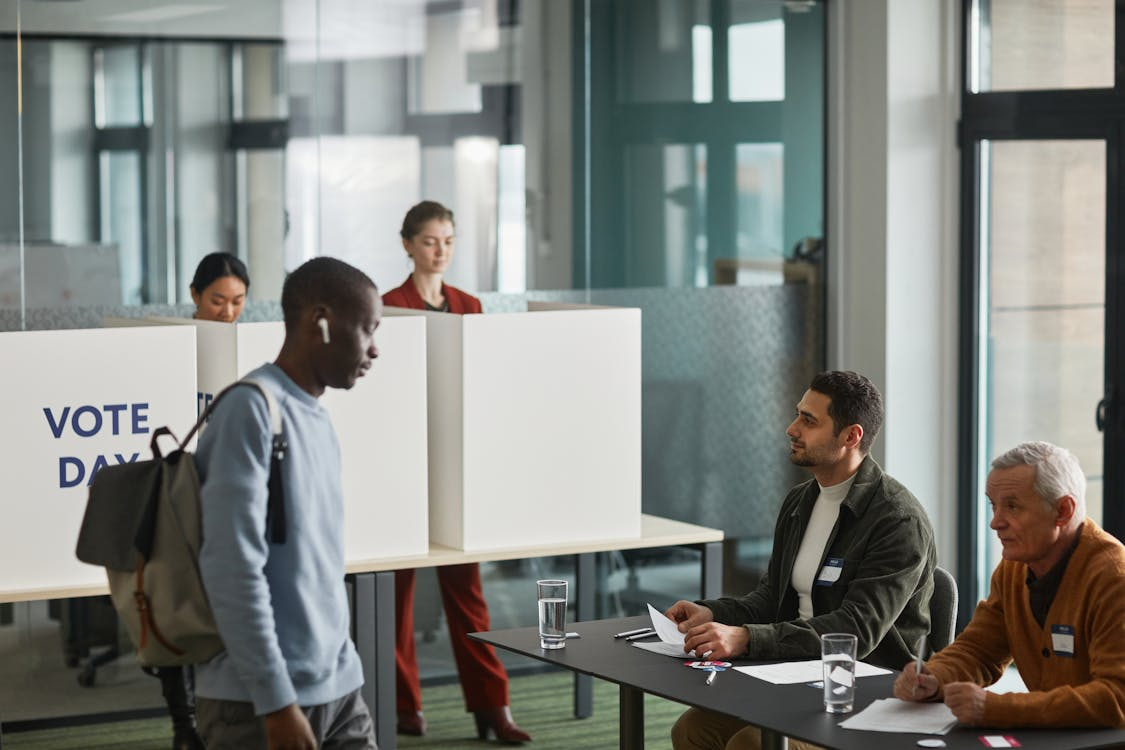
On election day, observers visit polling stations to watch procedures. They examine whether ballots are correctly handled, whether voters can cast their votes in secret, and whether officials follow established rules.
Observers do not intervene. If they see irregularities, they record them rather than stopping the process. Their role is to document patterns, not to act as enforcers.
Because they cannot be everywhere, observers rely on sampling. What matters is whether problems appear isolated or systemic.
How Vote Counting and Results Are Evaluated
After polls close, observers often follow ballots to counting centers. They assess whether counting is transparent, consistent, and secure. Delays, unexplained interruptions, or restricted access can raise red flags.
Observers compare official procedures to legal requirements rather than judging political outcomes. A close or unpopular result does not automatically indicate fraud.
The credibility of counting matters because this stage is vulnerable to manipulation if safeguards are weak.
Check out When Leaders Resign: How Power Transfers Differ Around the World for post-election outcomes.
How Observer Reports Are Produced
Observer missions issue preliminary statements soon after voting, followed by detailed final reports weeks or months later. Preliminary findings focus on significant issues; final reports provide a comprehensive analysis of the quality of elections.
Language is careful. Observers often note improvements alongside shortcomings. This balanced tone reflects diplomatic constraints and the need to maintain access in future missions.
Reports serve as reference points for international responses, aid decisions, and domestic legal challenges.
What Observers Can and Cannot Do
Observers cannot invalidate elections, remove leaders, or enforce reforms. Their power lies in reputation and pressure. Credible reports can influence sanctions, recognition, or diplomatic engagement.
However, governments can ignore findings, especially if domestic control is substantial. Observer presence is not a shield against manipulation if institutions are already compromised.
Their effectiveness depends on how much weight international and domestic actors give to their assessments.
Read Understanding Sanctions: Who They Hurt First (and Who They Don’t) to understand pressure tools.
Why Observer Missions Are Sometimes Criticized
Critics argue that observer missions legitimize flawed elections by focusing on process over power. Others claim reports are too cautious or diplomatically softened.
These criticisms reflect tension between access and accountability. Stronger language risks expulsion; softer language risks irrelevance.
Understanding these constraints helps explain why observer reports often sound restrained even when concerns are serious.
What Election Observation Really Signals
Election observation signals that elections are part of an international accountability framework, even if imperfectly enforced. It connects domestic political processes to global norms.
Observers do not guarantee democracy, but they provide a structured way to assess it. Their work creates records that outlast election cycles.
Knowing what observers actually do makes it easier to interpret both their presence and their conclusions.