
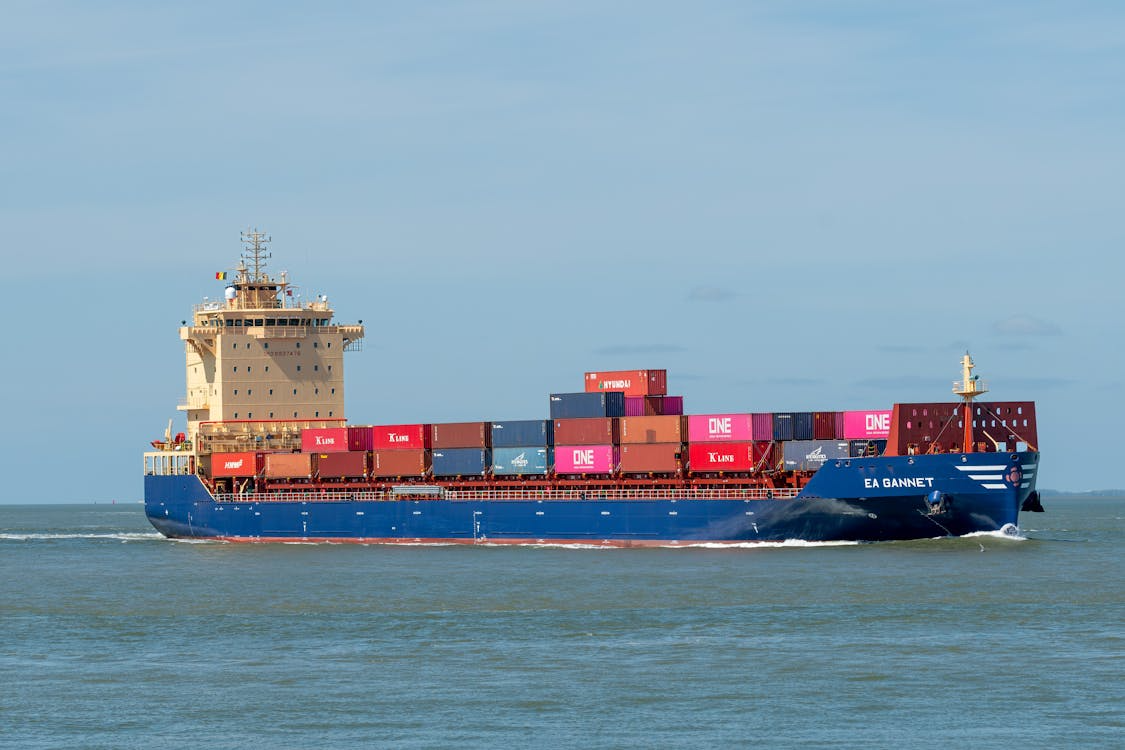
Understanding how shipping route changes affect prices helps explain why everyday goods can become more expensive even when production itself has not changed.
When shipping routes change, prices rarely move in immediate or straightforward ways. A rerouted vessel or closed passage may seem like a logistical detail, but it alters time, cost, and risk across the entire supply chain. Those changes eventually show up in what consumers pay, often weeks or months after the original disruption.
Why Shipping Routes Matter So Much
Shipping routes are designed around efficiency. Shorter routes reduce fuel use, labor time, insurance exposure, and inventory costs. When a major route is disrupted, ships must travel farther, slower, or through less predictable waters.
Even small increases in transit time raise costs. Longer voyages mean higher fuel consumption, additional crew expenses, and greater wear on vessels. These costs compound when thousands of shipments are affected simultaneously.
Because global trade relies heavily on maritime transport, route changes affect far more than isolated shipments.
Explore The Hidden Global Story in Everyday Products (Coffee, Phones, Clothing) for pricing ripple effects.
How Rerouting Increases Transportation Costs
When routes are diverted, shipping companies face immediate cost increases. Fuel expenses rise as distances grow. Insurance premiums often increase when ships pass through higher-risk regions or when congested alternatives are used.
Port congestion can add further expense. Rerouted ships may arrive at ports not designed to handle sudden surges, leading to delays, demurrage fees, and scheduling inefficiencies.
These added costs are rarely absorbed entirely by carriers. They move through the supply chain to manufacturers, retailers, and, ultimately, consumers.
See What ‘Record Profits’ Actually Mean in a High-Inflation World for insights on margin dynamics.
The Time Factor and Inventory Pressure
Time is a hidden price driver. Longer routes delay deliveries, forcing companies to hold larger inventories to avoid shortages. Holding inventory ties up capital and increases storage costs.
For goods with tight delivery windows, such as seasonal products or perishables, delays can reduce usable supply to zero. Scarcity then pushes prices upward.
Even durable goods feel the effect when just-in-time systems lose reliability and companies pay more to maintain buffers.
Why Price Increases Are Uneven
Not all prices rise equally when routes change. Goods that are bulky, low-margin, or heavily dependent on shipping are the first to feel the impact. Raw materials, food staples, and consumer goods with thin profit margins are particularly sensitive.
High-value items may absorb increases in transport costs more easily, at least temporarily. Local alternatives may also soften price pressure in some markets.
This uneven impact explains why some products spike in price while others remain stable during the same disruption.
Learn What Rising Global Interest Rates Do to Everyday Life to understand inflation effects.
How Long It Takes for Prices to Respond
Price changes lag behind shipping disruptions. Contracts, existing inventory, and pricing strategies delay immediate adjustment. Consumers often do not see effects until weeks after routes shift.
Once prices rise, they can be slow to fall even after routes normalize. Companies may retain higher pricing to recoup losses or hedge against future disruptions.
This lag creates confusion, making it challenging to connect price changes to their original cause.
The Role of Fuel and Energy Markets
Shipping route changes often intersect with energy markets. Longer routes increase fuel demand, which can push fuel prices higher, especially during periods of tight supply.
Rising fuel costs affect not only shipping but also land-based production and distribution. This multiplies the inflationary effect across the economy.
Energy price volatility amplifies the pricing impact of route disruptions far beyond maritime transport alone.
Check out Green Energy Transition: The Minerals Nobody Talks About for resource cost pressures.
When Shipping Changes Become Structural
Some route changes become permanent. Companies may avoid previously efficient passages due to security, political, or environmental risks.
Permanent rerouting leads to long-term price adjustments. Supply chains adapt, but costs rarely return to previous lows. New routes become the baseline.
These structural shifts reshape global trade patterns and pricing norms over time.
What Route Changes Reveal About Global Pricing
Shipping route disruptions reveal how sensitive prices are to distance, time, and risk. They show that prices reflect logistics as much as production.
Understanding this connection helps explain why global events far from consumers still affect household budgets.
When routes change, prices tell the story, just not immediately.