Understanding who sanctions hurt first and who they often fail to touch helps explain why sanctions sometimes change behavior and sometimes harden it instead.
Sanctions are often described as a non-military way to pressure governments, but their real-world effects are rarely limited to political leaders.
When countries impose economic sanctions, the pain does not spread evenly. It follows predictable paths shaped by trade dependence, income levels, and access to alternatives.
What Sanctions Are Designed to Do
At their core, sanctions are meant to raise the cost of specific actions by restricting access to money, goods, technology, or markets. Governments use them to signal disapproval, deter escalation, or force negotiation without resorting to armed conflict.
In theory, sanctions create internal pressure. As economic conditions worsen, citizens, businesses, and elites are expected to push leaders toward compromise. This theory assumes that economic discomfort translates into political leverage.
In practice, that translation is uneven. Political systems, media control, and economic structure all shape whether pressure reaches decision-makers or stalls far below them.
Explore How Diplomacy Works Behind Closed Doors to see how pressure becomes negotiation.
Who Feels the Impact First
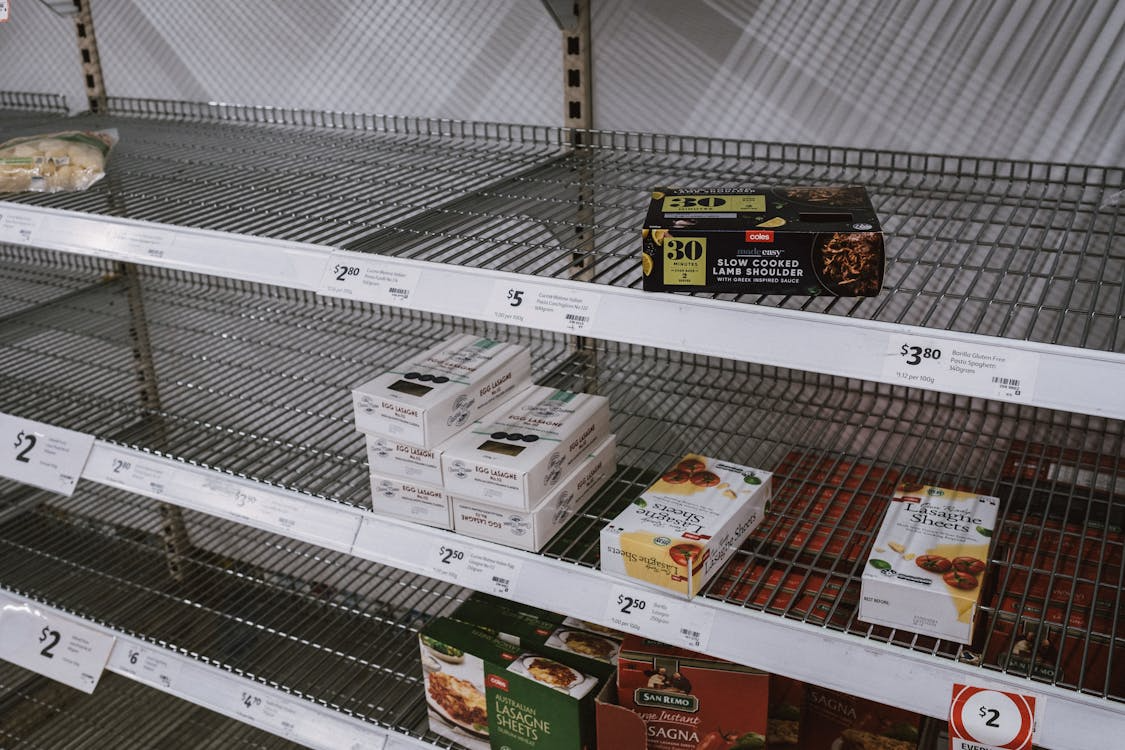
The first people affected by sanctions are usually ordinary consumers. Prices rise as imports become scarce or more expensive. Fuel, food, and medicine are especially vulnerable when trade routes or payment systems are disrupted.
Small businesses often follow quickly. Without access to foreign suppliers, spare parts, or international customers, many are forced to downsize or close. Informal economies expand as people look for workarounds, often at higher risk and lower wages.
These early effects can appear within weeks, long before political leaders experience any personal consequence.
See Food Price Shocks: Why the Cost of Staples Jumps Suddenly for household cost impacts.
Why Political Elites Often Feel Less Pain
Sanctions are frequently less effective against political elites than expected. Leaders and top officials often have access to protected supply chains, alternative financial networks, or domestic industries shielded from global markets.
In centralized or authoritarian systems, elites may even gain power as scarcity increases. Control over limited resources becomes leverage, allowing those in charge to reward loyalty and punish dissent more easily.
Rather than weakening leadership, sanctions can unintentionally strengthen internal control mechanisms while shifting blame outward toward foreign adversaries.
How Trade and Geography Shape Outcomes
Countries with diversified economies and multiple trading partners are better positioned to absorb sanctions. They can reroute exports, find substitute suppliers, or rely on domestic production to cushion the blow.
By contrast, countries heavily dependent on a single export or import are more vulnerable. Sanctions targeting banking or shipping can sever critical lifelines quickly, magnifying economic shock.
Geography matters too. Landlocked countries or those dependent on narrow shipping corridors face higher costs and fewer alternatives, intensifying the impact on everyday life.
Check out The World’s Most Important Trade Agreements (and Why They Matter) for context on trade frameworks.
When Sanctions Backfire Politically
Sanctions can sometimes rally domestic support for the targeted government. When economic hardship is framed as external punishment, leaders may successfully redirect public anger toward foreign powers rather than internal policy failures.
This dynamic is powerful when independent media is limited. Without competing narratives, sanctions are portrayed as attacks on national sovereignty rather than tools aimed at leadership behavior.
In these cases, sanctions may entrench positions rather than soften them, making negotiation more difficult.
Who Sanctions Rarely Affect Directly
Sanctions often have a limited impact on top decision-makers themselves. Personal wealth may be insulated, travel restrictions may be symbolic, and political survival may depend more on internal security than public approval.
Global companies with flexible supply chains can also adapt faster than expected, shifting operations or passing costs along to consumers elsewhere. The economic shock concentrates locally rather than spreading upward.
This mismatch between intention and outcome is why sanctions are increasingly targeted, focusing on specific industries, technologies, or individuals rather than entire economies.
Read The Real Meaning of Recession (and Why Countries Disagree on It) for economic context.
What Sanctions Really Reveal About Power
Sanctions are less about punishment and more about leverage. Their effectiveness depends on who controls resources, narratives, and alternatives inside the targeted country.
They work best when paired with diplomacy, clear off-ramps, and international coordination. On their own, they often reveal structural inequalities more than they resolve political conflicts.
Understanding these dynamics helps explain why sanctions remain common, controversial, and unpredictable tools in global affairs.