Understanding symbolic diplomacy helps explain why seemingly small moments receive intense global attention and why leaders invest so much effort in choreographing appearances.
In international politics, what leaders do can matter as much as what they say. How global leaders use symbolic gestures, from visits and handshakes to seating arrangements and public absences, signals intent without locking anyone into formal policy. These actions are designed to be seen, interpreted, and debated.
Why Symbols Matter in Global Politics
Symbolic gestures work because they compress meaning. A single image can convey recognition, approval, disapproval, or warning more efficiently than a detailed statement. In a crowded media environment, symbols travel faster than explanations.
Leaders use symbols to shape narratives without locking themselves into binding commitments. A visit can suggest support without a treaty. A refusal to meet can signal displeasure without escalation.
Because symbols are ambiguous, they preserve flexibility. Different audiences can interpret the same gesture in ways that suit their expectations, allowing leaders to communicate on multiple levels at once.
Explore How Diplomacy Works Behind Closed Doors for private negotiation dynamics.
Visits, Absences, and the Power of Presence
Official visits are among the strongest symbolic tools. Where a leader goes and when they send a message about priorities and alliances. First visits after elections or crises are especially scrutinized for meaning.
Absence can be just as powerful. Skipping summits, declining invitations, or sending lower-level representatives often signals distance or dissatisfaction. These choices are rarely accidental.
Timing amplifies impact. A visit during conflict, disaster, or negotiation carries far more weight than one made during calm periods.
Read What ‘De-escalation’ Looks Like in Real Time for crisis signaling patterns.
Handshakes, Body Language, and Visual Signals
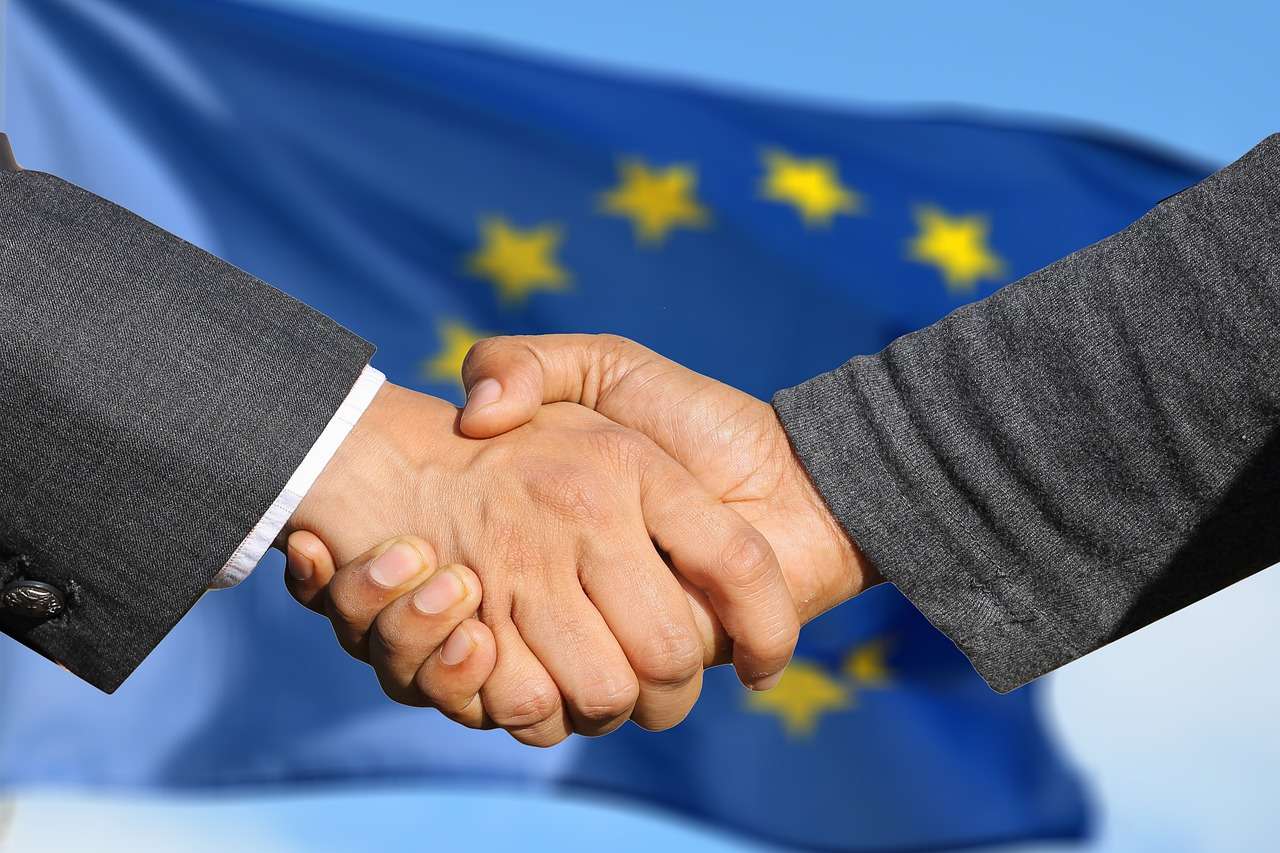
Personal interactions between leaders are staged carefully. Handshakes, eye contact, posture, and even walking order are analyzed for signs of dominance, equality, or tension.
Photographs are selected deliberately. Images of leaders standing together can imply unity even when disagreements remain unresolved. Conversely, awkward or avoided interactions can reinforce perceptions of strain.
These moments are designed for cameras because visual cues often shape public perception more than policy detail.
Seating Charts and Protocol as Messaging
Diplomatic protocol is another subtle but powerful signaling system. Where leaders are seated at meetings, who speaks first, and who is placed nearby all reflect status and relationship.
Being placed at the center suggests importance. Being sidelined can indicate diminished influence. Even alphabetical ordering can become political when it intersects with rivalry or recognition disputes.
Protocol disputes themselves can become news, revealing how sensitive symbolic positioning is in global affairs.
Check out What It Means When a Country ‘Recognizes’ Another State for recognition signals.
Symbolic Gestures During Conflict and Crisis
During crises, symbolic actions carry heightened risk and meaning. Visits to border regions, military bases, or disaster zones signal resolve or solidarity. They can reassure allies and deter adversaries simultaneously.
However, these gestures can also escalate tensions if interpreted as provocation. A symbolic act meant to reassure one audience may alarm another.
This dual nature makes symbolism a high-stakes tool during volatile periods.
Why Leaders Prefer Symbols to Statements
Symbols allow leaders to communicate while maintaining plausible deniability. A gesture can be framed as routine protocol or as a personal choice rather than as official policy.
This flexibility is valuable when domestic audiences, allies, and rivals all require different messaging. Symbols let leaders speak without committing fully.
They also allow gradual shifts. Repeated symbolic actions can normalize new relationships or tensions over time without sudden announcements.
See Why Borders Flare Up: The Most Common Triggers of Territorial Disputes to understand escalation cues.
How to Interpret Symbolic Diplomacy as a Reader
Interpreting symbolic gestures requires context. One action alone rarely tells the whole story. Patterns matter more than isolated moments.
Consider timing, audience, and repetition. Ask who benefits from the gesture and who might feel excluded or pressured by it.
Most importantly, remember that symbols are tools, not outcomes. They indicate direction, not destination.
What Symbolic Gestures Reveal About Power
Symbolic diplomacy reveals how power is negotiated in public view. It shows who is recognized, who is avoided, and who is being tested.
In a world where formal agreements are slow and risky, symbols provide a fast, flexible way to communicate intent. Understanding them makes global events easier to read and less mysterious.