
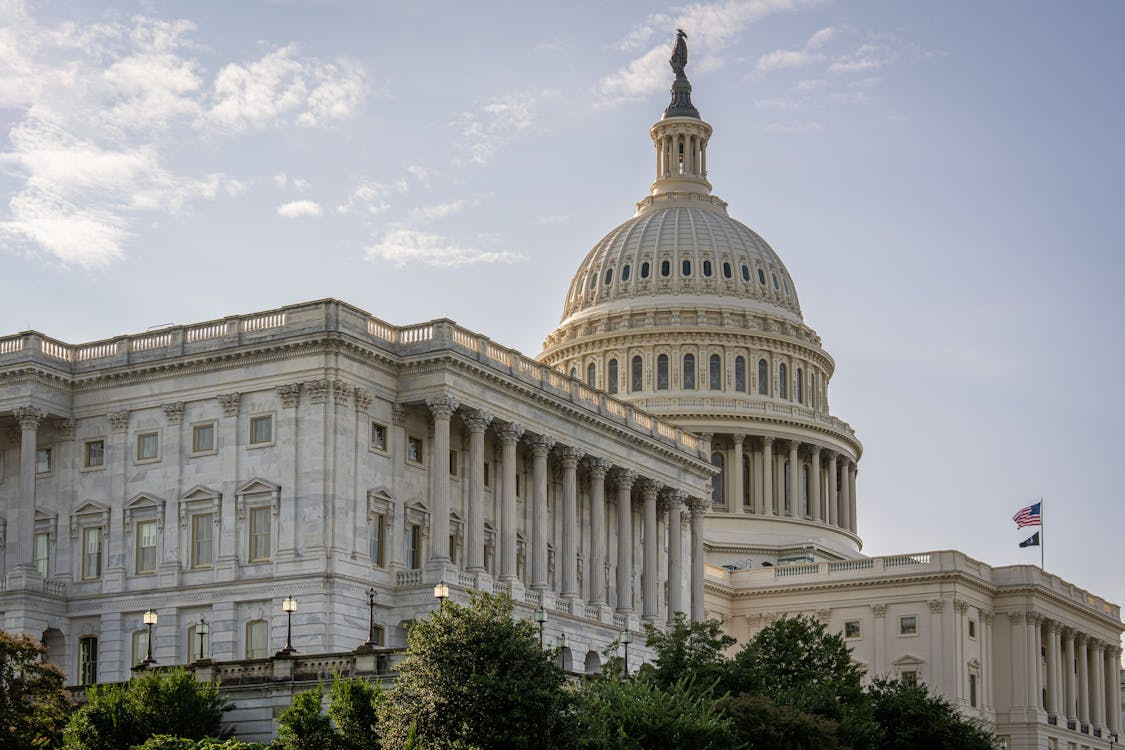
Understanding what actually changes during a state of emergency helps explain why these declarations are both powerful tools and sources of public concern.
When governments declare a state of emergency, they are invoking extraordinary powers meant for exceptional circumstances. These declarations are legal switches that temporarily alter how a country functions, how rights are applied, and how authority is exercised.
While the trigger may be sudden, the mechanisms behind a state of emergency powers are usually embedded in law long before they are used.
What Triggers a State of Emergency
States of emergency are typically declared in response to events that overwhelm normal governance. These can include natural disasters, large-scale unrest, terrorist attacks, pandemics, or sudden military threats. The common thread is that existing laws are seen as insufficient to manage the crisis quickly.
In many systems, the executive branch initiates the declaration, sometimes requiring approval from a legislature or court. In others, the authority is concentrated in a single office. The speed of declaration reflects urgency, but the legal basis determines how far powers can extend.
Notably, an emergency declaration does not require the crisis to be fully defined. It is often issued when outcomes are uncertain and time is limited.
Explore Why Borders Flare Up: The Most Common Triggers of Territorial Disputes for escalation patterns.
How Emergency Powers Expand Authority
Once an emergency is declared, governments can temporarily bypass or suspend certain legal constraints. This may include faster rulemaking, expanded police or military deployment, and centralized decision-making.
These powers are designed to reduce friction. Regular checks, such as lengthy legislative debate or regulatory review, are seen as obstacles during acute crises. Emergency authority allows governments to act decisively, but it also concentrates power.
The scope of expansion varies widely. Some countries allow only narrow, time-limited measures, while others grant sweeping discretion with fewer immediate safeguards.
What Changes for Civil Liberties
One of the most visible effects of a state of emergency is the alteration of civil liberties. Restrictions on movement, assembly, or public gatherings are common. Curfews, checkpoints, and travel controls can appear almost overnight.
Media regulations may also change. Governments can impose limits on reporting, require official approval for specific information, or penalize what they define as misinformation. These measures are often justified as necessary to maintain order or prevent panic.
While some rights are typically protected even during emergencies, the boundary between protection and overreach is often contested.
Read Understanding Sanctions: Who They Hurt First (and Who They Don’t) for restriction impacts.
The Role of Security Forces
Emergency declarations frequently expand the role of security forces. Military units may be deployed domestically, police powers may be broadened, and surveillance capabilities may be increased.
This shift is meant to stabilize situations quickly, but it changes the balance between civilian life and state authority. The visibility of armed forces in everyday settings can reshape public behavior and perceptions of safety.
How security forces are used and restrained during emergencies often determines whether public trust is preserved or eroded.
Check out How Global Leaders Use Symbolic Gestures to Send Messages for insights on signals and symbols.
How Long Emergencies Last in Practice
Although emergencies are framed as temporary, their duration varies widely. Some expire automatically after days or weeks unless renewed. Others can be extended repeatedly, sometimes becoming semi-permanent.
The longer an emergency lasts, the more normalized extraordinary powers can become. Measures introduced as temporary fixes may persist because they are administratively convenient or politically advantageous.
This is why oversight mechanisms, such as judicial review or legislative renewal requirements, are critical in emergency frameworks.
Why Emergencies Reshape Politics
States of emergency often have lasting political consequences. Leaders may gain legitimacy through decisive action or lose trust if they abuse their powers. Opposition activity may be curtailed, altering political competition.
Public expectations also shift. Citizens may become more tolerant of restrictions during crises, but that tolerance can fade if conditions do not clearly improve.
Emergency declarations reveal how power is structured and tested under pressure, making them pivotal moments in a country’s political life.
See When Leaders Resign: How Power Transfers Differ Around the World for leadership transition insight.
What Emergency Declarations Signal to the World
Internationally, the use of state emergency powers signals instability, urgency, or heightened risk. Markets react, travel advisories change, and diplomatic engagement may shift.
These declarations are closely watched because they indicate how a government manages crises and constraints. They are not just internal legal tools; they are global signals.
Understanding what changes overnight helps explain why emergency declarations matter long after the initial announcement.