Understanding critical minerals for green energy helps explain why the clean energy transition is not just an environmental project, but an economic and geopolitical one.
The global push toward clean energy is often framed around wind turbines, solar panels, electric vehicles, and batteries. What gets far less attention is the mineral foundation beneath it all.
The transition to green energy is not just a technological shift; it is a materials shift, dependent on a narrow set of minerals that are difficult to mine, slow to process, and unevenly distributed worldwide.
Why Green Energy Is Mineral-Intensive
Renewable energy systems rely far more on minerals than fossil fuel systems. Electric vehicles use significantly more copper than internal combustion engines. Wind turbines require rare earth elements for high-performance magnets. Solar panels depend on silicon, silver, and specialized metals.
Once installed, renewable systems use little fuel, but building them requires significant upfront material inputs. Scaling green energy, therefore, means scaling mining, processing, and refining capacity.
This mineral intensity shifts pressure from oil fields to mines.
Explore The Global Race for Chips: Why Semiconductors Are Geopolitical for context on resource competition.
The Critical Minerals Behind the Transition
According to the International Energy Agency, demand for critical minerals is set to rise sharply as clean energy deployment expands.
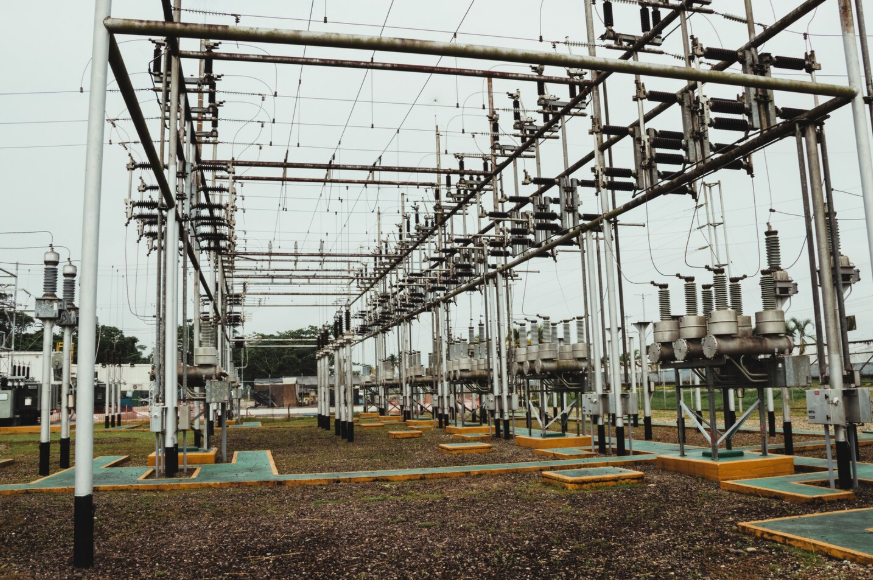
A small group of minerals is critical. Lithium, cobalt, nickel, and graphite underpin battery technology. Copper is essential for electrical wiring and transmission. Rare earth elements enable compact, efficient motors and generators.
These minerals are not rare in a geological sense, but economically concentrated. Production and processing are dominated by a handful of countries, creating supply bottlenecks. The transition depends not just on availability, but on who controls extraction and refinement.
Why Supply Chains Are Fragile
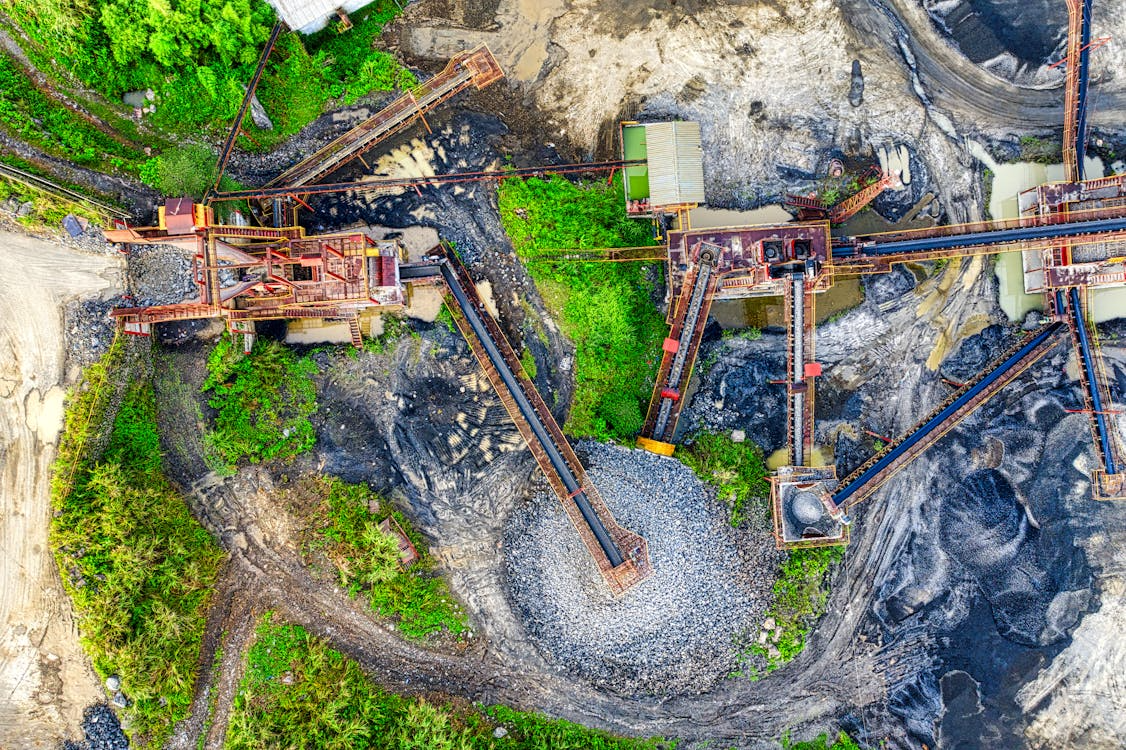
Mining projects take years to develop. Environmental permitting, community opposition, infrastructure needs, and capital intensity slow expansion. Even when minerals are available, refining capacity is limited.
Processing is often more concentrated than mining. This creates choke points where disruption, policy shifts, or conflict can ripple through global supply chains.
Unlike oil, mineral markets lack decades of buffering infrastructure.
Read Carbon Capture Explained: Promise, Problems, and Real-World Results for another energy source.
Environmental Trade-Offs Inside Clean Energy
Green energy reduces emissions, but mineral extraction carries environmental costs. Mining can disrupt ecosystems, strain water resources, and generate waste.
These impacts often occur far from energy-consuming countries, raising ethical and political questions. Communities near mines bear local costs for global climate goals.
Balancing clean energy expansion with responsible extraction remains unresolved.
Geopolitics and Resource Competition
As demand rises, minerals become strategic assets. Countries seek secure access through trade agreements, investment, or domestic production.
Resource nationalism is increasing. Export controls, permitting restrictions, and state ownership reshape markets. Governments worry about dependency just as they once did with oil.
The energy transition redistributes power rather than eliminating resource competition.
Read How Diplomacy Works Behind Closed Doors for behind-the-scenes resource negotiations.
Why Recycling Isn’t a Near-Term Fix
Recycling is often proposed as a solution, but it cannot meet near-term demand. Most clean energy infrastructure is still being built, not retired.
Recycling systems also require scale, technology, and collection networks that take time to develop. For now, primary mining remains essential.
Recycling helps long-term resilience, not immediate supply pressure.
Labor, Technology, and Investment Gaps
Mining faces labor shortages, aging workforces, and skill gaps. Automation helps, but capital requirements are high.
Investment lags demand projections. Price volatility discourages long-term commitments, creating cycles of shortage and oversupply.
These structural issues slow the pace of transition.
Why Mineral Constraints Shape Energy Timelines
Energy targets assume material availability. When minerals lag, projects are delayed, downsized, or made more expensive.
This does not stop the transition, but it reshapes its speed and geography. Countries with secure access to minerals move faster.
Minerals quietly determine what is possible.
Check out The Next Big Global Tech Disruption Might Be Batteries, Not AI for more on battery-driven demand.
What the Mineral Story Reveals About the Transition
The green energy transition is not just about replacing fuels. It is about rebuilding the physical foundation of the global economy.
Minerals sit at the center of that rebuild. Ignoring them creates unrealistic expectations about speed, cost, and equity.
Understanding the mineral layer makes the transition clearer and more complex.